
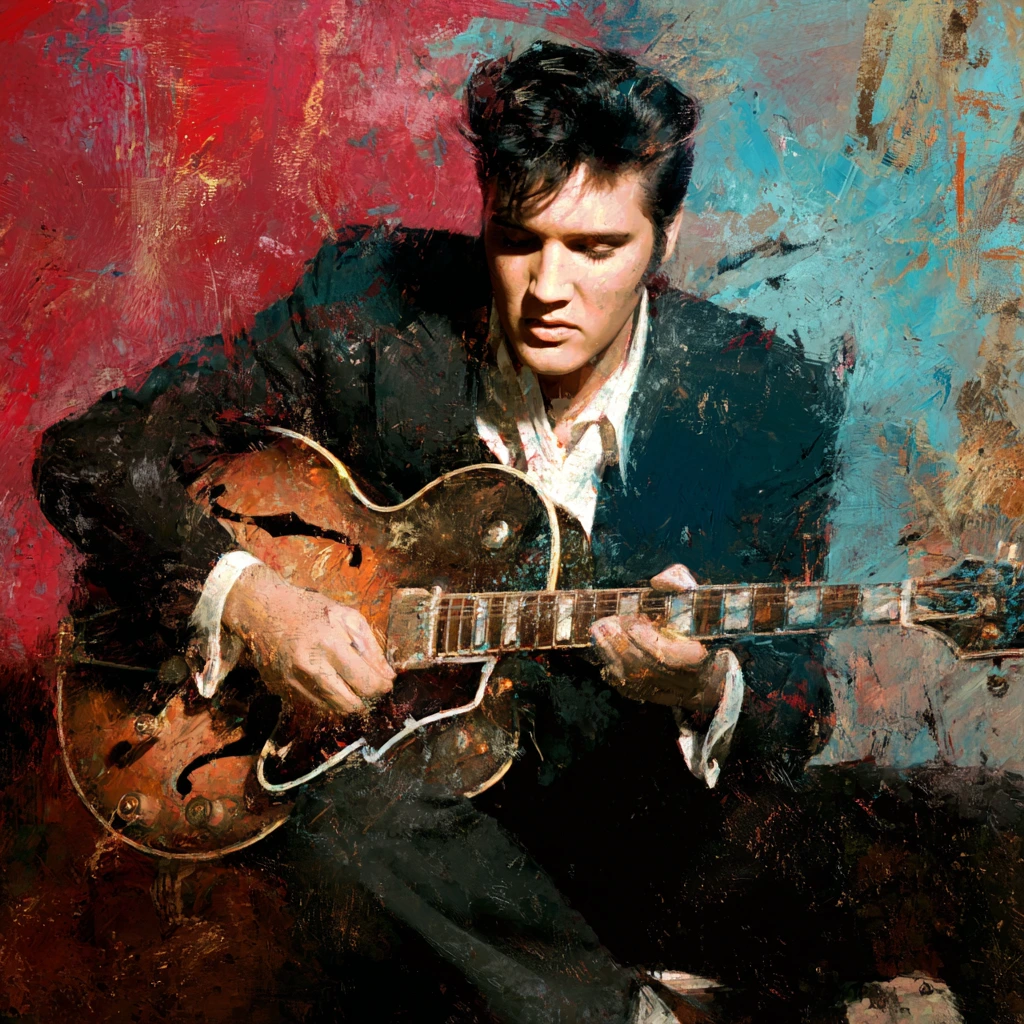
Elvis Presley, the King of Rock and Roll, has left an indelible mark on the world of music. His unique blend of genres, charismatic performances, and pioneering spirit have made him a cultural icon. In this article, we will delve into the hit frequency trends in Elvis’s career, shedding light on the evolution of his music and its resonance with audiences through the years. For further insights into the legacy of Elvis, you can visit Hit Frequency Trends In Elvis Frog TrueWays elvisfrogslot.co.nz.
The Early Days: Beginnings and Breakthroughs
Elvis’s journey began in the mid-1950s when he burst onto the music scene with a sound that combined country, blues, and pop elements. His first single, “That’s All Right,” recorded in 1954, showcased his innovative style and garnered immediate attention. By the time of his first major hit, “Heartbreak Hotel,” in 1956, Elvis established himself as a musical force to be reckoned with. During these formative years, the frequency of hits was relatively low, as he was still building his repertoire and honing his craft.

The Rock and Roll Revolution
The late 1950s marked a pivotal point in Elvis’s career and the emergence of rock and roll music. This was the era when he reached the peak of his hit frequency with multiple chart-topping singles, including “Hound Dog,” “Jailhouse Rock,” and “Don’t Be Cruel.” Each release not only showcased his vocal talents but also reflected the changing cultural landscape of America. The combination of his catchy tunes and electrifying performances contributed to a meteoric rise in his popularity. The frequency of hits during this period established him as a household name, and his influence over the rock genre became undeniable.
The Transition of the 1960s: Films and Themed Albums
As the 1960s approached, Elvis’s career took a new direction as he transitioned into the film industry. His ventures into movies led to a slight decline in the frequency of chart-topping hits primarily focused on mainstream rock and roll. However, his sound evolved, and he began to explore various musical styles, including pop, country, and even gospel. Notable hits from this era include “Can’t Help Falling in Love” and “Are You Lonesome Tonight?” While the number of hits may have slowed, the quality and impact of his music remained high.
Engagement with the Changing Music Scene
As the 1960s wore on, Elvis faced increasing competition from emerging musical acts, including The Beatles and The Rolling Stones. The change in popular music trends posed a challenge for him, impacting his hit frequency. Nevertheless, he adapted his music style, reflected in albums such as “From Elvis in Memphis,” which featured tracks like “In the Ghetto” and “Suspicious Minds.” These songs not only saw resounding success but also demonstrated his enduring relevance and ability to engage with the shifting tides of the music scene.
The 1970s: A Resurgence in Popularity
The beginning of the 1970s heralded a resurgence in Elvis’s career. Live performances, including his legendary Las Vegas shows, revived his status as a performer. The hit frequency during this time improved markedly, with memorable songs such as “Burning Love” and “Always on My Mind” capturing the public’s imagination. His ability to connect with his audience remained unmatched, allowing him to maintain a loyal fan base while also attracting new listeners.

The Legacy of Elvis: Continuing Influence and Global Reach
Even after his untimely passing in 1977, the influence of Elvis Presley continues to resonate across the world. His music transcends generations, finding its place not only in classic rock playlists but also in modern covers and adaptations by contemporary artists. The hit frequency of his songs remains a topic of interest, with various singles and albums making comebacks on the charts due to re-issues, remastered editions, and extensive licensing deals.
The Digital Age: Streaming and New Audiences
With the advent of the digital age, the way music is consumed has changed drastically. Streaming platforms have enabled a resurgence in Elvis’s popularity, allowing both old and new audiences to discover his extensive catalog. The hit frequency trend now reflects the way listeners engage with music in today’s world, often leading to older hits being rediscovered and celebrated anew.
Conclusion: Elvis’s Everlasting Impact
The hit frequency trends in Elvis’s career paint a picture of an artist who not only defined a musical era but also adapted to and influenced subsequent generations. His ability to blend genres, connect with fans, and evolve alongside the music industry has solidified his status as a timeless icon. The study of these trends not only encapsulates his journey as an artist but also emphasizes the enduring relevance of his music in the ever-changing landscape of popular culture.